Temu vs Alibaba: Which Platform Works Better for Global Buyers?

In today’s hyper-competitive cross-border e-commerce market, platforms like Temu and Alibaba are shaping how businesses and consumers source products. Each platform carries distinct strengths and challenges, making the choice between them highly dependent on one’s goals. For buyers, understanding these differences can be the key to avoiding frustration and unlocking real value.
Having worked with sourcing professionals and observed both platforms in action, I believe Temu and Alibaba represent two ends of the digital commerce spectrum: one optimized for consumer convenience and low-cost appeal, the other for global B2B efficiency and scale. This article will take a detailed look at their background, design, product scope, seller/buyer experience, logistics, and customer support, followed by a practical conclusion.
Background: Two Different Origins
Alibaba was founded in 1999 by Jack Ma in Hangzhou, China. Over two decades, it has grown into a global e-commerce empire with multiple arms: Alibaba.com (B2B), Taobao (C2C), Tmall (B2C), and AliExpress (B2C for overseas consumers). Its reputation as a giant is undisputed, especially in facilitating large-scale procurement and connecting businesses worldwide.
Temu, by contrast, is a newcomer. Launched in 2022 by PDD Holdings (parent company of Pinduoduo), it made an explosive entry into the U.S. market with memorable Super Bowl ads encouraging consumers to “Shop like a billionaire.” Within months, Temu became one of the most downloaded apps in America, riding on aggressive pricing and heavy marketing campaigns.
From this contrast, it’s clear that Alibaba has the benefit of history and scale, while Temu thrives on fresh energy and consumer-centric branding.
User Interface and Website Design
Temu’s interface is modern, intuitive, and heavily gamified. From spin-the-wheel coupons to endless discount banners, the app is designed to mimic a fun shopping experience. Its mobile-first design resonates particularly well with younger consumers in North America and Europe who expect Amazon-like simplicity.
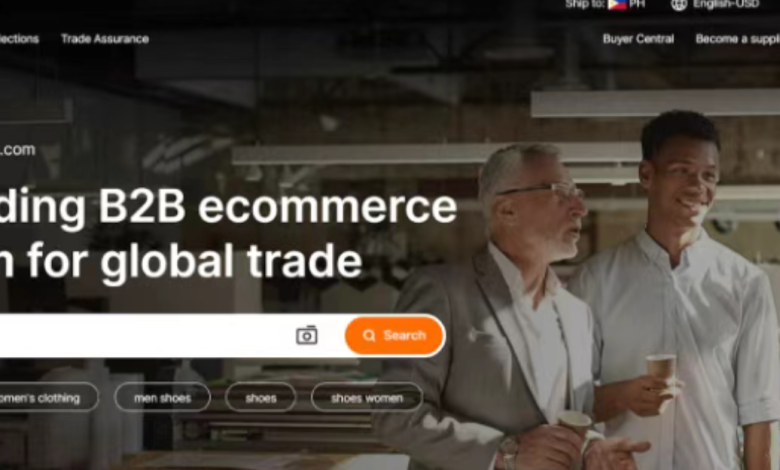
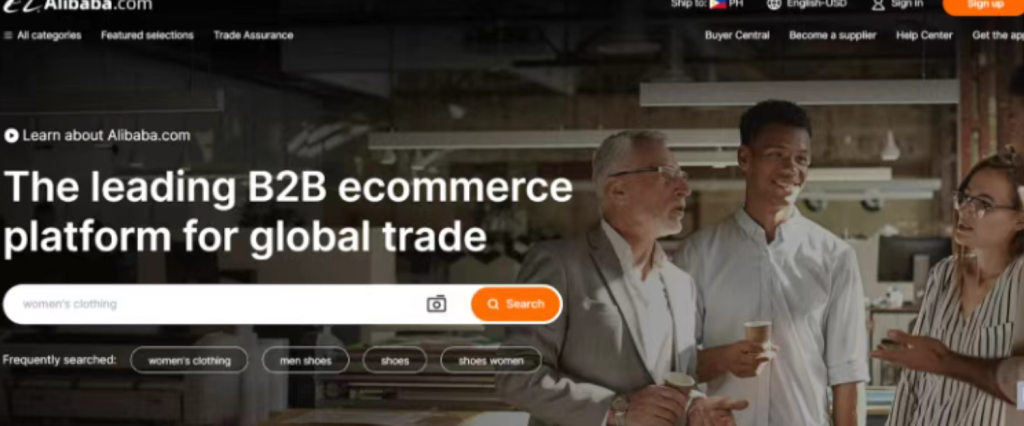
Alibaba, on the other hand, balances functionality with scale. Its interface is less playful but highly practical. Buyers can search for products using detailed filters like supplier location, certifications, and minimum order quantities. For B2B sourcing, this level of depth is essential. As someone who has used Alibaba to evaluate suppliers, I find the search and filter tools critical for narrowing down reliable factories.
Product Range and Categories
Temu focuses on consumer goods: fashion, electronics, beauty, home items, and accessories. It thrives on impulse buys and trending products, much like a digital version of a discount department store.
Alibaba’s range is vastly broader, spanning not only consumer products but also industrial machinery, raw materials, and specialized equipment. If you’re looking to stock a retail store, Temu might suffice. But if you’re sourcing components for manufacturing or seeking OEM services, Alibaba is the only viable option.
In my view, Temu is a better fit for buyers of ready-to-ship products, while Alibaba is indispensable for buyers seeking supply chain partnerships.
Seller and Buyer Experience
Temu offers sellers a streamlined onboarding process but also maintains tight control. Since Temu itself operates almost like a retailer, sellers often have less autonomy over pricing and branding. Temu dictates heavy discounting to attract consumers, which works for buyers but can create sustainability issues for sellers.
Alibaba, conversely, provides sellers with a marketplace model. Vendors manage their own storefronts, set pricing, and negotiate directly with buyers. This freedom allows for diversity in offerings but also puts more responsibility on buyers to vet suppliers. Personally, I’ve seen both sides: great long-term supplier relationships forged on Alibaba, but also scams and poor-quality suppliers if due diligence is skipped.
Pricing and Payment Options
Temu’s business model is ultra-low pricing, often subsidized by PDD Holdings. It leverages China’s manufacturing ecosystem to deliver goods at prices that undercut even Amazon and Walmart. For buyers, the appeal is obvious, but there are hidden trade-offs—quality can be inconsistent, and returns across borders are cumbersome.
Alibaba offers tiered pricing models depending on volume. Small orders may cost more per unit, while bulk orders deliver significant discounts. Payment options range from wire transfers to escrow systems like Alibaba Trade Assurance, which protects buyers until goods are received. This makes Alibaba more trustworthy for larger transactions.
From my perspective, Temu works best for low-risk, small purchases, while Alibaba supports serious procurement with risk management mechanisms.
Logistics and Shipping
Temu partners with global logistics providers to ensure quick deliveries—sometimes within a week to the U.S. or Europe. Its logistics system prioritizes consumer convenience and tracking transparency.
Alibaba’s logistics are more complex but powerful. Through Cainiao and partnerships with freight forwarders, Alibaba enables air freight, sea freight, and consolidated shipments. For businesses importing large quantities, this is a game-changer. However, delivery timelines are longer compared to Temu’s consumer orders.
If speed and low-cost shipping are priorities, Temu shines. But if you’re moving containers of electronics or raw materials, only Alibaba has the infrastructure.
Customer Support and After-Sales Service
Temu provides 24/7 customer service, including live chat and refunds for dissatisfied buyers. But because of its scale and low prices, refunds are sometimes easier than product replacements. For many consumers, this simplicity is a win.
Alibaba’s customer support is structured for business buyers. The Trade Assurance program helps resolve disputes, and reviews/ratings of suppliers act as trust signals. However, resolution often requires negotiation, which can take time.
In practice, Temu is better for frictionless consumer returns, while Alibaba provides structured protection for larger, more complex deals.
Global Reach and Policy Environment
Temu is rapidly expanding in North America and Europe, focusing on end consumers. Its growth strategy is similar to TikTok’s—capturing Western markets with aggressive marketing.
Alibaba’s reach is truly global, connecting wholesalers and retailers across Asia, Europe, Africa, and the Americas. Its long-standing reputation with policymakers and trade associations gives it institutional credibility that Temu still lacks.
For global buyers with cross-border sourcing needs, Alibaba’s established ecosystem is unmatched.
Personal Perspective: Where Each Platform Fits
As someone engaged in sourcing discussions with SMEs, I see Temu as an entry-level tool for buyers who want to experiment with trending consumer goods at minimal cost. It’s ideal for dropshippers, small online store owners, or even individual shoppers seeking bargains.
Alibaba, by contrast, is the backbone of serious sourcing. It’s where entrepreneurs find factories, negotiate MOQs, and build supply chains. The process requires patience, communication, and trust-building, but the rewards are far greater for long-term business growth.
If I had to summarize:
- Temu = convenience + consumer appeal.
- Alibaba = scale + global trade power.
Conclusion: Which Works Better for Global Buyers?
Both Temu and Alibaba serve important but distinct purposes.
- Choose Temu if you are a consumer or small business testing product ideas, looking for low prices, and willing to trade off quality for affordability.
- Choose Alibaba if you are building a supply chain, sourcing at scale, or need reliable partners for long-term global trade.
In the AI-driven, post-pandemic world, both platforms are reshaping e-commerce in their own ways. But for serious global buyers, Alibaba remains the more powerful platform—offering the tools, trust, and infrastructure necessary for sustainable sourcing.