Electronic Components Sourcing Guide: How to Find the Right Supplier

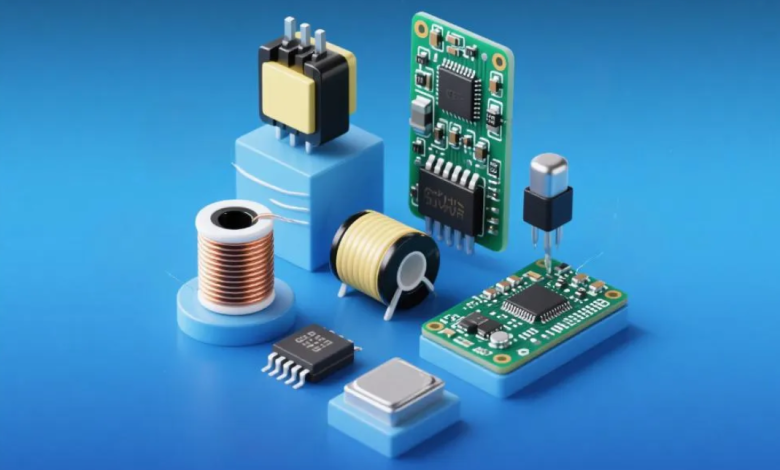
The electronics industry in Shenzhen and surrounding regions has grown into one of the world’s most competitive sourcing hubs. From smartphones and tablets to headphones, watches, and chargers, the market thrives on fast-moving consumer goods (FMCG). But this speed comes with challenges: low differentiation, fierce price pressure, and frequent compromises on quality.
For global buyers, the temptation is to prioritize cost, lead time, and payment terms when selecting suppliers. Yet, as decades of sourcing experience show, this approach carries serious risks. Poor component quality, hidden supply chain weaknesses, or inadequate after-sales support can lead to costly failures—even bankruptcies.
So how can buyers identify reliable, long-term suppliers in such a crowded market? This guide provides a structured approach to sourcing electronic components, with lessons learned from real-world practice.
Why Supplier Selection Matters
In the electronics supply chain, small issues can escalate into major disasters. A low-cost adhesive, screw, or PCB defect may appear insignificant, but in mass production it can compromise the entire product line. Once quality failures reach customers, the financial and reputational damage is often irreversible.
As the saying goes: “善游者溺,善骑者堕” (“A skilled swimmer may drown; a skilled rider may fall.”). Overconfidence in familiar suppliers, or blind trust in recommendations, often leads to painful mistakes. Vigilance and systematic supplier evaluation are non-negotiable.
Sources of Supplier Acquisition
When searching for suppliers, buyers typically rely on three main channels:
- Industry Experience and Networks
Many sourcing managers begin with suppliers they’ve worked with before. Familiarity builds confidence, but excessive reliance on “old friends” can blindside buyers to complacency and hidden risks. - Introductions by Peers or Friends
Word-of-mouth can be useful, but again, trust must be earned through rigorous evaluation, not assumptions. - Online Platforms and Trade Shows
Platforms like Alibaba, Global Sources, or electronics fairs in Shenzhen and Hong Kong connect buyers with thousands of vendors. However, online presence doesn’t always guarantee reliability—proper vetting is still essential.
The key principle: Every supplier, regardless of origin, must go through a consistent approval and auditing process.
Understanding Supplier Value Beyond Price
Too many buyers reduce supplier evaluation to three numbers: unit price, lead time, and payment terms. This short-term thinking leads to fragile supply chains. In practice, supplier value can be broken down into four dimensions:
1. Price, Quality, Service, Lead Time, Payment
- Pricing should be competitive but realistic.
- Quality requirements must align with the product’s end use—neither excessive nor inadequate.
- Service responsiveness matters: when issues arise, how quickly does the supplier respond?
- Lead time flexibility and reasonable credit terms (where feasible) strengthen the partnership.
2. Industry Insight
Experienced suppliers often see market shifts before their clients. For example:
- A PCB supplier may warn buyers about copper price increases.
- A memory distributor may forecast DRAM shortages months in advance.
Such foresight helps buyers optimize inventory and reduce costs. Suppliers without this big-picture vision may look fine on paper, but in reality, they add little strategic value.
3. Critical Support in Key Moments
How suppliers behave under pressure reveals their true worth:
- If market prices surge after deposits are paid, will they honor agreements?
- If production delays arise, will they prioritize your orders?
- If shortages occur, will they secure stock or leave you stranded?
4. Handling Major Quality Issues
No production line is perfect—defects will happen. But the supplier’s response to quality crises separates partners from opportunists. Do they deny responsibility, or do they collaborate to solve the problem and minimize losses?
Supplier Management Strategies
Sourcing is not just about choosing suppliers—it’s also about managing them. Two extremes often appear in practice:
- Constantly switching suppliers, chasing the lowest price.
- Never changing suppliers, even when performance declines.
Both approaches are risky. Instead, buyers should adopt a balanced strategy:
Diversify Critical Suppliers
For essential components like PCBs, batteries, semiconductors, or displays, relying on a single vendor is dangerous. Buyers should maintain 2–3 approved suppliers per category, allocating orders flexibly depending on performance and market conditions.
Segment Non-Critical Suppliers
For low-risk items like packaging, screws, or basic cables, price-driven suppliers may suffice. However, for branded products requiring specialized packaging or certification, higher-grade vendors with advanced equipment are essential.
Treat Suppliers as Partners, Not Just Vendors
Every company is both a customer and a supplier in different relationships. Building mutual respect creates resilience:
- Support suppliers during downturns.
- Share forecasts to help them plan production.
- Offer fair payment terms when feasible.
In return, suppliers are more likely to provide priority support when buyers face urgent challenges.
Key Risks to Watch Out For
Even experienced buyers can fall into common traps:
- Over-Trusting Familiar Suppliers
Past success doesn’t guarantee future reliability—complacency is dangerous. - Ignoring Small Component Quality
Overlooking “cheap parts” like adhesives or screws can lead to large-scale failures. - Single-Sourcing Critical Components
Relying on one supplier for strategic items exposes buyers to catastrophic disruptions. - Purely Price-Driven Decisions
Short-term savings often lead to higher long-term costs through quality failures, delayed shipments, or reputational harm.
Practical Tips for Global Buyers
Drawing from over two decades in the industry, here are actionable steps:
- Audit Every Supplier – Visit facilities, review certifications, and assess capacity before signing contracts.
- Request Samples and Pilot Runs – Never rely solely on catalog claims; test products under real conditions.
- Use Contracts with Clear Quality Clauses – Define responsibilities for defects, delays, and disputes.
- Build Supplier Scorecards – Track KPIs such as defect rates, on-time delivery, and responsiveness.
- Leverage Third-Party Testing – Independent labs add assurance for critical components.
- Maintain Open Communication – Share forecasts, give feedback, and encourage transparency.
Personal Reflection
Having worked across Shenzhen’s electronics ecosystem for nearly two decades, I’ve seen countless companies rise and fall. Those who treated sourcing as a strategic function—valuing supplier partnerships beyond price—built sustainable businesses. Those who chased the lowest cost without discipline often collapsed under the weight of product recalls, delayed shipments, or legal disputes.
Good suppliers are not easily replaced. Like good customers, they are rare, valuable, and built on mutual respect. As global buyers entering China’s vast market, your long-term success depends not only on finding the right components—but also on finding the right people behind them.
Conclusion
Sourcing electronic components in China, particularly in Shenzhen and its surrounding regions, offers unmatched opportunities—but also serious risks. By expanding supplier evaluation beyond price to include quality, service, insight, and reliability, buyers can build resilient supply chains capable of withstanding volatility.
Ultimately, the best suppliers are not just vendors—they are strategic partners who create value, anticipate risks, and support your business when it matters most. In today’s competitive global electronics market, finding such partners may be difficult, but once secured, they become the cornerstone of sustainable growth.