Global Sources vs Alibaba: Which Platform Is Better for Importers?

When it comes to international sourcing, importers today face an important decision: which platform can deliver the best results? Alibaba and Global Sources are two of the most recognized B2B marketplaces connecting buyers with Chinese and Asian suppliers. Both offer access to millions of products and thousands of manufacturers, but they differ in approach, cost structure, and buyer experience. This article takes a closer look at the two platforms, comparing them across multiple dimensions to help importers make an informed choice.
Platform Backgrounds
Alibaba
Founded in 1999, Alibaba has grown into the world’s largest B2B e-commerce ecosystem. Its International Station (Alibaba.com) is the most popular platform for global importers, covering a wide range of categories—from consumer goods to industrial equipment. Alibaba is backed by the scale of Alibaba Group, which means strong digital infrastructure, integrated payments, and global logistics options.
Global Sources
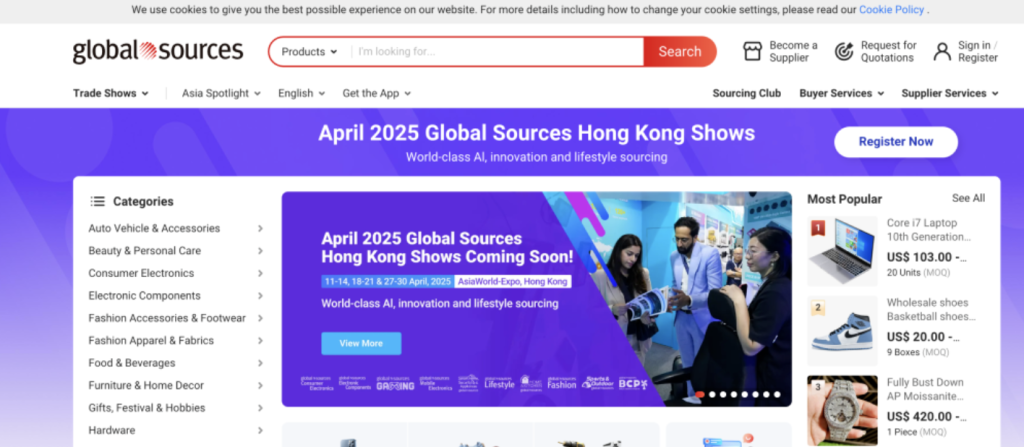
Global Sources is actually the older player, established in 1971 and focusing on trade shows and sourcing solutions long before the internet era. Today, it combines a B2B online marketplace with its well-known Hong Kong trade fairs. Unlike Alibaba, which relies heavily on online traffic and ads, Global Sources has maintained a strong reputation for curated suppliers and face-to-face buyer-seller matching.
Supplier Base and Product Range
- Alibaba: Extremely diverse, covering virtually every industry imaginable. This inclusiveness is a double-edged sword: buyers can find almost anything but must filter carefully to avoid low-quality vendors.
- Global Sources: More selective in supplier admission, often emphasizing mid- to high-end manufacturers. Many suppliers also exhibit at Global Sources Hong Kong shows, which enhances credibility.
For importers seeking volume at competitive prices, Alibaba offers more breadth. For those prioritizing quality and reliability, Global Sources can feel less overwhelming.
Buyer Experience and Inquiry Mechanisms
- Alibaba: Known for its RFQ (Request for Quotation) system and large volumes of inquiries. However, inquiry quality can vary—many buyers report that messages are mass-sent by suppliers competing on price rather than value.
- Global Sources: Traditionally positions itself as more professional, with features like buyer-supplier matching at fairs and one-to-one inquiries online. The number of inquiries may be smaller, but quality tends to be higher.
In my own sourcing experience, I’ve found Alibaba to be useful when speed matters and I just need a wide range of supplier quotes. But for serious product development projects, Global Sources often delivers suppliers who are ready for long-term cooperation.
Cost Structure for Importers
- Alibaba: Free for buyers, but suppliers pay substantial membership and advertising fees. This sometimes incentivizes sellers to push aggressively for deals, leading to mixed buyer experiences.
- Global Sources: Also free for buyers, with suppliers paying membership and often participating in trade shows. The offline-to-online model means supplier costs are spread differently, and buyers may benefit from more competitive pricing in some categories.
For importers, neither platform charges for access—but the real cost is time and diligence in filtering suppliers.
Trade Shows and Offline Presence
One of the biggest differences lies here:
- Alibaba: Relatively limited in hosting trade shows. Its ecosystem focuses more on digital traffic, ads, and algorithm-driven buyer-supplier matches.
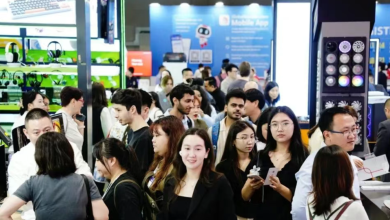
- Global Sources: Heavily invests in offline exhibitions, most notably the Global Sources Hong Kong Electronics Fair, which attracts tens of thousands of global buyers every year. These events allow importers to meet suppliers face-to-face, test products, and build trust.
For buyers who prefer hands-on product validation, Global Sources’ offline shows add significant value.
Trust, Certification, and Quality Assurance
- Alibaba: Offers third-party verification through Gold Supplier membership, on-site checks, and Trade Assurance services. These tools help reduce risks but require buyers to actively confirm details.
- Global Sources: Works with SGS, BV, and other agencies to certify suppliers. Its screening is generally stricter, and because many suppliers are exhibition participants, there’s an extra layer of credibility.
Importers who have limited time to vet suppliers may find Global Sources slightly more trustworthy. But seasoned buyers who know how to run audits can leverage Alibaba’s huge supplier pool effectively.
Marketing and Promotion Approaches
- Alibaba: Relies heavily on digital advertising, keyword bidding (P4P), and global branding campaigns. This creates massive exposure but also increases noise and competition.
- Global Sources: Uses a mix of magazines, fairs, and online promotion. Its hybrid model ensures that serious manufacturers with export capabilities are highlighted.
For buyers, this means Alibaba may feel more like a crowded online mall, while Global Sources resembles a curated trade fair.
Pros and Cons Overview
| Factor | Alibaba | Global Sources |
|---|---|---|
| Supplier Base | Huge, covers all industries | Smaller, more curated |
| Inquiry Quality | High volume, lower average quality | Lower volume, higher quality |
| Offline Fairs | Limited | Strong presence in Hong Kong |
| Trust & Verification | Trade Assurance, mixed reviews | Strict supplier checks, SGS/BV verification |
| Ease of Use | Very user-friendly, but noisy | Less flashy, but focused |
| Best For | Importers chasing variety and cost | Importers prioritizing trust and niche sourcing |
Personal Perspective: Which Platform Wins?
As someone who has sourced components, consumer electronics, and packaging materials over the years, my conclusion is this:
- If you’re a new importer with limited resources and want to quickly test product ideas, Alibaba is the logical starting point. Its sheer scale ensures you’ll find multiple suppliers within hours.
- If you’re an established importer building long-term partnerships, Global Sources provides a more efficient route, especially when paired with its offline trade fairs where you can validate suppliers face-to-face.
In reality, many experienced buyers use both platforms strategically—Alibaba for breadth and fast benchmarking, Global Sources for depth and trust.
Conclusion
Choosing between Alibaba and Global Sources isn’t about declaring one as “better” than the other—it’s about aligning platform strengths with your sourcing strategy. Alibaba excels in reach and scale, while Global Sources stands out in curation and offline presence.
For importers, the smartest path may be hybrid: leverage Alibaba’s digital ecosystem for initial exploration, then rely on Global Sources to narrow down and solidify reliable supplier relationships. In today’s volatile trade environment, diversifying your sourcing channels is not just smart—it’s essential.