Huaqiangbei Sourcing Electronic Components: How to Buy Safely and Smartly

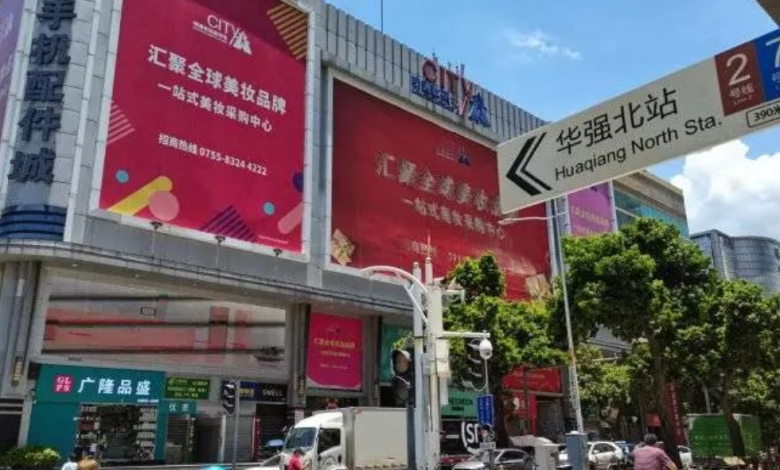
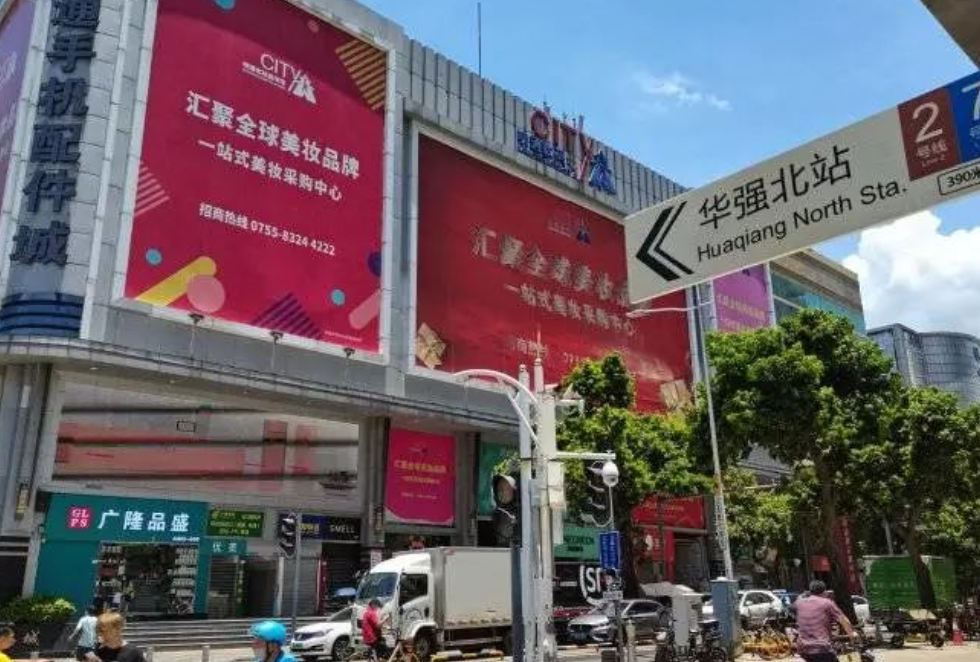
For decades, Huaqiangbei in Shenzhen has been the heart of China’s electronics supply chain. Known as the “Silicon Valley of Hardware,” this bustling marketplace attracts buyers from around the world looking for everything from microchips to consumer electronics. Yet, anyone who has sourced here knows it’s not all smooth sailing. Between fluctuating prices, inconsistent quality, and the risk of counterfeits, navigating Huaqiangbei requires more than luck—it requires strategy.
Based on years of sourcing experience and industry insights, this guide outlines practical steps to safely and efficiently source electronic components from Huaqiangbei.
1. Check Real-Time Market Prices
One of the biggest challenges for buyers is price volatility. In Huaqiangbei, prices can shift daily depending on global supply and demand, trade policy changes, or even sudden local shortages. Relying solely on endless phone calls for quotations is inefficient and error-prone.
Today, many buyers use real-time pricing platforms such as BOM.ai or local data services that track daily component prices. These “cloud price” systems update tens of thousands of records daily, giving buyers a clear benchmark for fair pricing. Having real-time data not only saves time but also prevents overpaying when the market is unstable.
2. Identify Reliable Suppliers
Finding the right supplier in Huaqiangbei is both an art and a science. With hundreds of stalls and companies operating in close proximity, not all sellers are equal. Some focus on original new stock, while others may trade in refurbished or gray-market components.
Key methods to evaluate suppliers include:
- Reputation tags: Some sourcing platforms offer community-driven labels, where other buyers rate suppliers for product authenticity, service, and delivery.
- Brand distribution analysis: Reviewing what brands a supplier typically carries can reveal whether they specialize in premium components or generic stock.
- Date Code tracking (D/C): This helps assess the age and condition of components. Suppliers offering consistently recent batches are usually more reliable.
As Michael Ma from China Chip Depot, one of Huaqiangbei’s leading component distributors, explains:
“Over the years, Huaqiangbei has worked hard to eliminate the fraud and disorder that once gave it a mixed reputation. Today the environment is far more transparent and professional, but buyers still need to apply strict evaluation standards. That’s the only way to ensure they source the right parts with confidence.”
By combining these tools with disciplined due diligence, importers can significantly reduce the risks of sourcing in Huaqiangbei while taking advantage of its unmatched variety and speed.
3. Anticipate Shortages and Price Surges
The electronics supply chain is notoriously sensitive. A sudden fire at a factory, geopolitical trade restrictions, or even a spike in demand from AI or automotive sectors can trigger component shortages. In Huaqiangbei, such shocks often lead to rapid price increases.
Smart buyers track historical demand and search trends for specific part numbers. For example, if search volumes for a popular MCU like the ATMEGA88PA suddenly rise, it often signals a pending price hike. Monitoring such data allows importers to stock up early and secure pricing before shortages hit.
4. Balance Cost, Quality, and Risk
Many factories in Shenzhen and nearby regions produce fast-moving electronics such as smartphones, tablets, headphones, chargers, and smartwatches. Because of heavy price competition, some suppliers may cut corners in production. While price negotiation is standard practice, sourcing should never rely on cost alone.
A good supplier should provide balanced value across:
- Competitive pricing
- Consistent quality
- Reliable delivery schedules
- Flexible payment terms
- Willingness to resolve quality disputes
Ignoring quality risks for the sake of low prices can backfire—leading to costly recalls, damaged reputations, or even business failure.
5. Diversify Your Supplier Base
Relying on a single supplier for critical components is risky. Instead, importers should maintain relationships with two to three suppliers per key part, adjusting order ratios based on performance. For non-critical materials like packaging, price may be the deciding factor. But for core items like PCBs, chips, or batteries, a dual-sourcing strategy provides flexibility when supply chain disruptions occur.
This approach ensures that if one supplier faces shortages or delays, you have an alternative ready to step in.
6. Treat Suppliers as Partners, Not Just Vendors
It’s worth remembering that in the electronics ecosystem, every company is both a buyer and a seller. A respectful, cooperative relationship with your supplier often yields better outcomes than treating them purely as cost centers. The best suppliers don’t just ship components—they share industry insights, alert you to price shifts, and provide technical advice.
As one experienced buyer puts it: “A great supplier is as rare and valuable as a great client. Both are foundations for long-term success.”
Conclusion
Sourcing electronic components from Huaqiangbei is both challenging and rewarding. With the right mix of data-driven pricing checks, supplier vetting, risk management, and partnership-building, importers can unlock the enormous potential of Shenzhen’s hardware ecosystem while minimizing pitfalls.
In today’s competitive market, safe sourcing isn’t just about finding the lowest price—it’s about building resilience. For global buyers, Huaqiangbei remains a goldmine of opportunity, but only for those who know how to navigate it with caution and foresight.